The Role of Custom Flexible Packaging in Brand Differentiation on Retail Shelves
Walk into any major retailer—whether it’s Walmart, Target, or Whole Foods Market—and you’ll experience the same thing: visual overload.
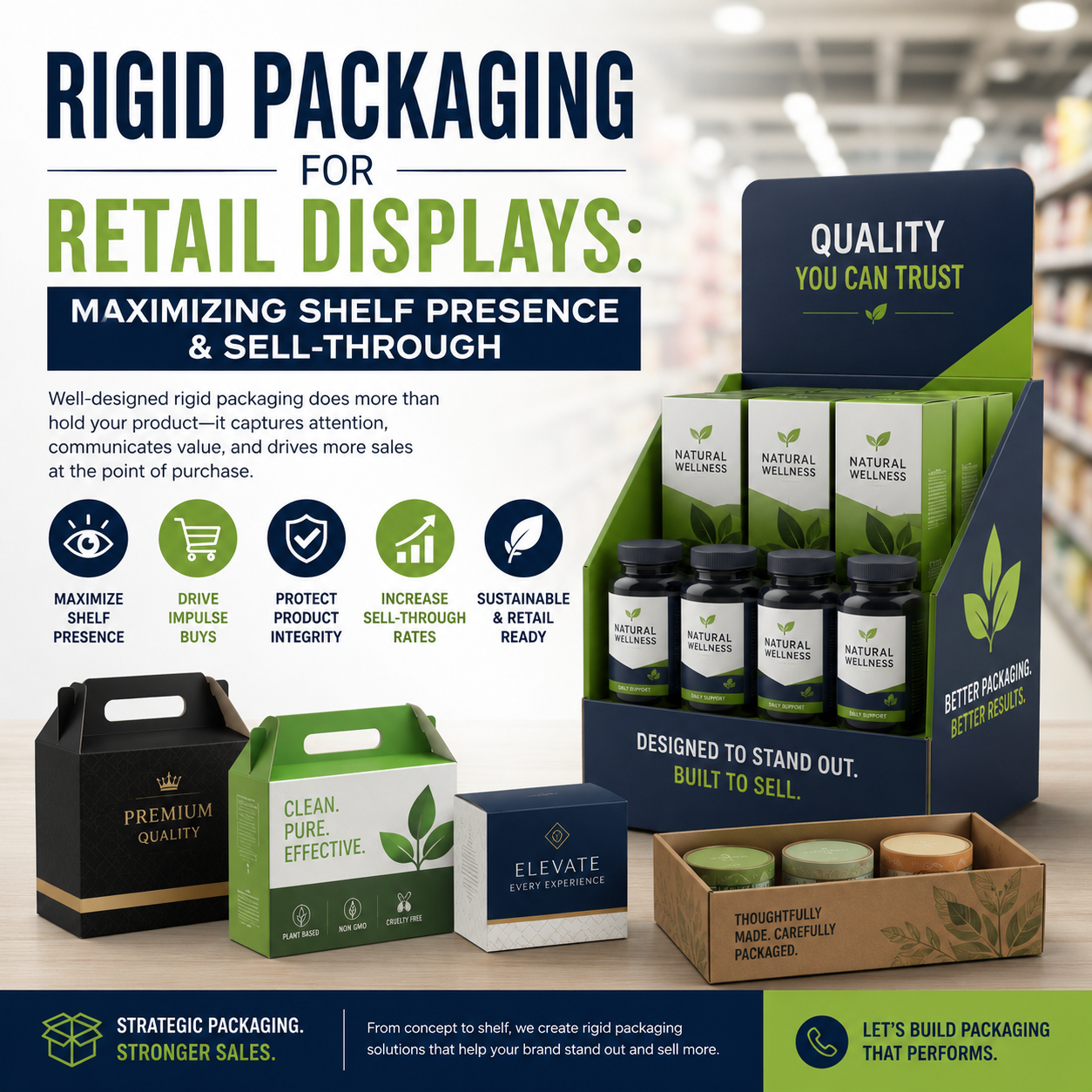
Walk into any retail store and you’ll see it immediately: hundreds—sometimes thousands—of products competing for attention. The average consumer makes buying decisions in seconds. In that tiny window of time, your retail carton isn’t just packaging—it’s your silent salesperson.
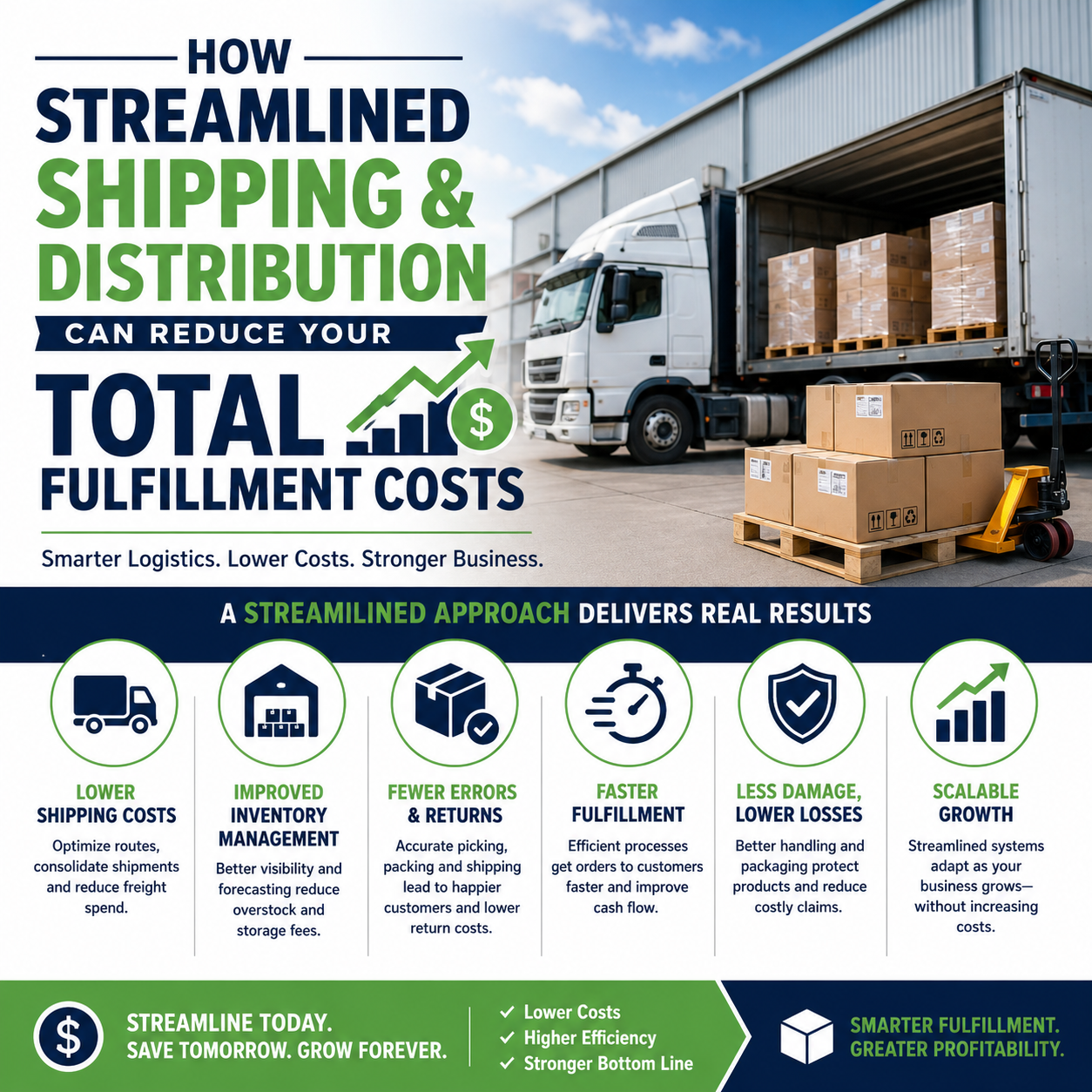
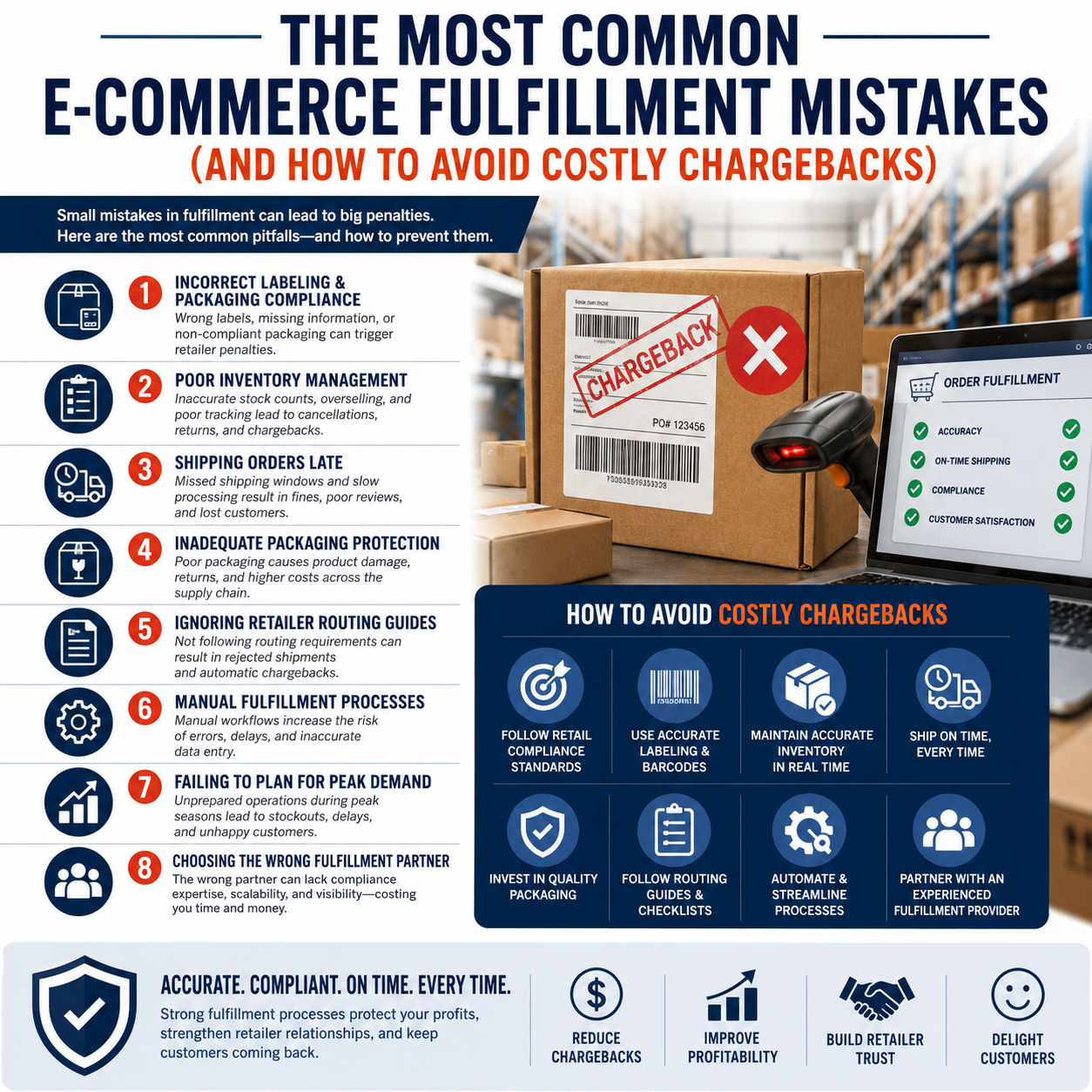
From the moment a product comes off the production line to the second it lands on a customer’s doorstep, every hour counts. Whether you're shipping to a major retailer, fulfilling DTC orders, or managing subscription boxes, fulfillment speed directly impacts revenue, customer satisfaction, retail compliance, and brand reputation.
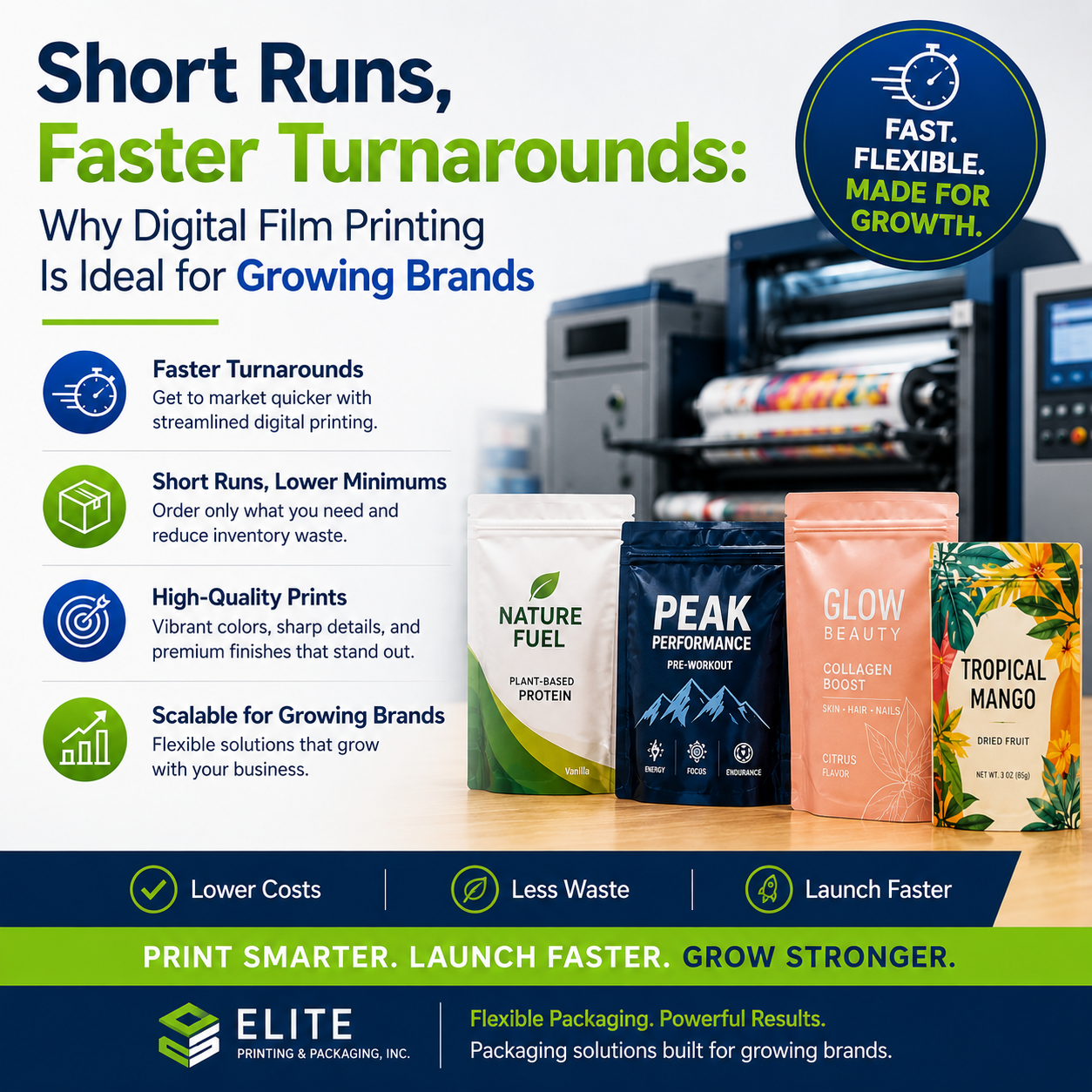
For brands in food, nutraceuticals, personal care, and consumer goods, choosing the right packaging format directly impacts speed to market, production cost, material usage, compliance, and shelf performance.
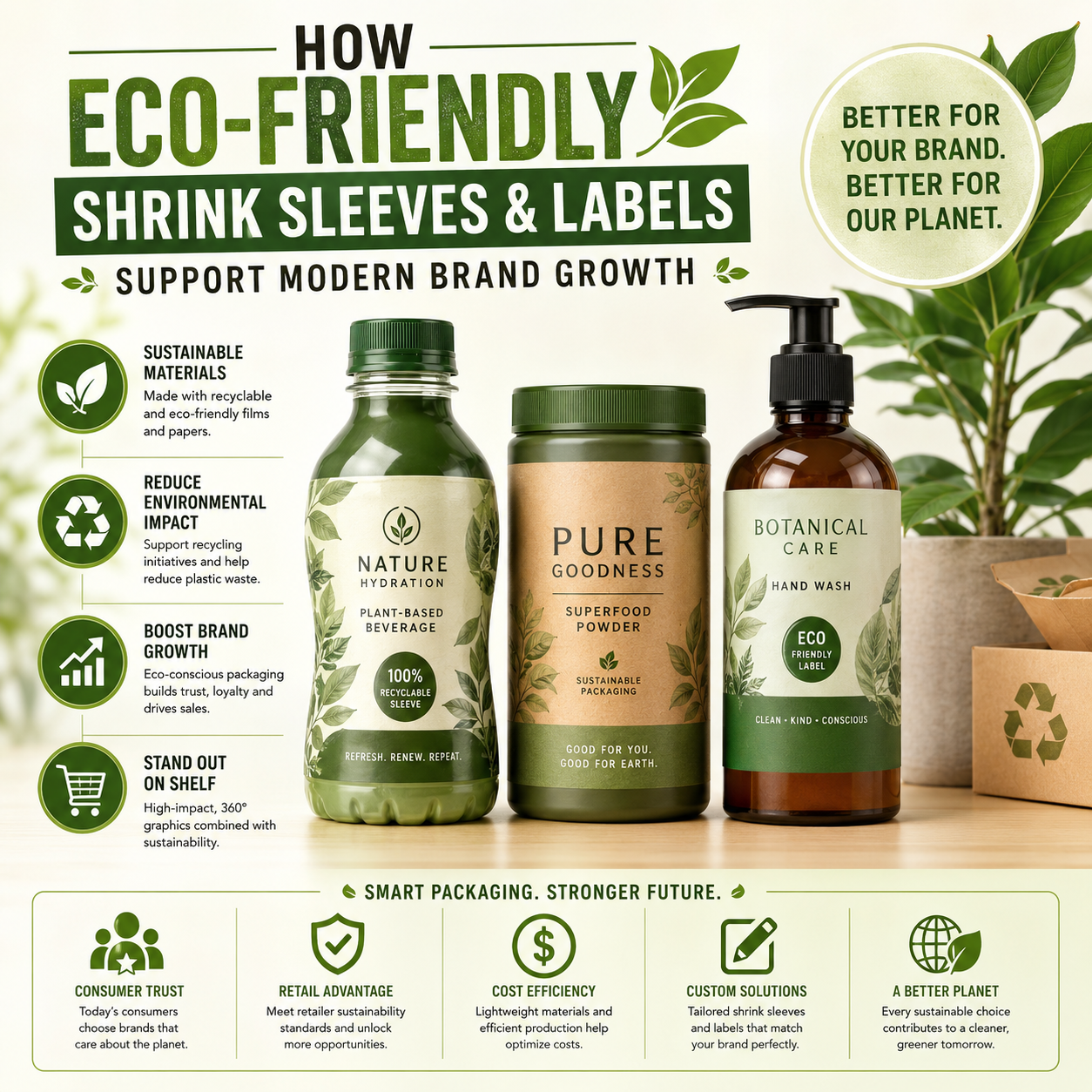
Sustainability is no longer a marketing trend. It’s a mandate. Consumers expect it. Retailers demand it. Regulators are enforcing it.
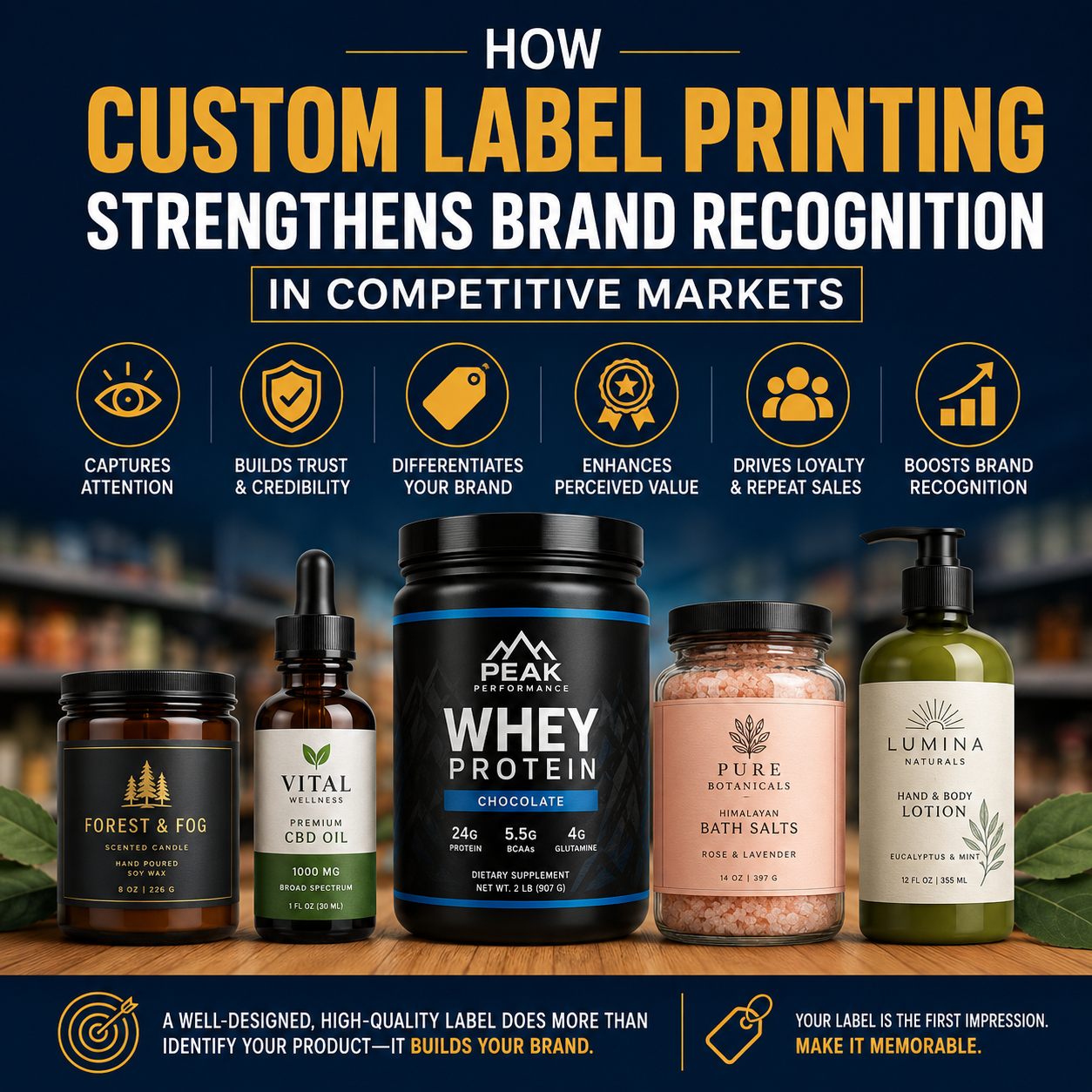
When it comes to product packaging, your label isn’t just decoration — it’s your silent salesperson. At Elite Printing & Packaging, Inc., we’ve worked with brands across food, beverage, nutraceutical, personal care, and industrial markets that all ask the same question:
For growing CPG brands, e-commerce companies, and retail suppliers, managing packaging and fulfillment separately often creates friction, delays, errors, and hidden costs. But when packaging and fulfillment operate under one integrated system, something powerful happens:
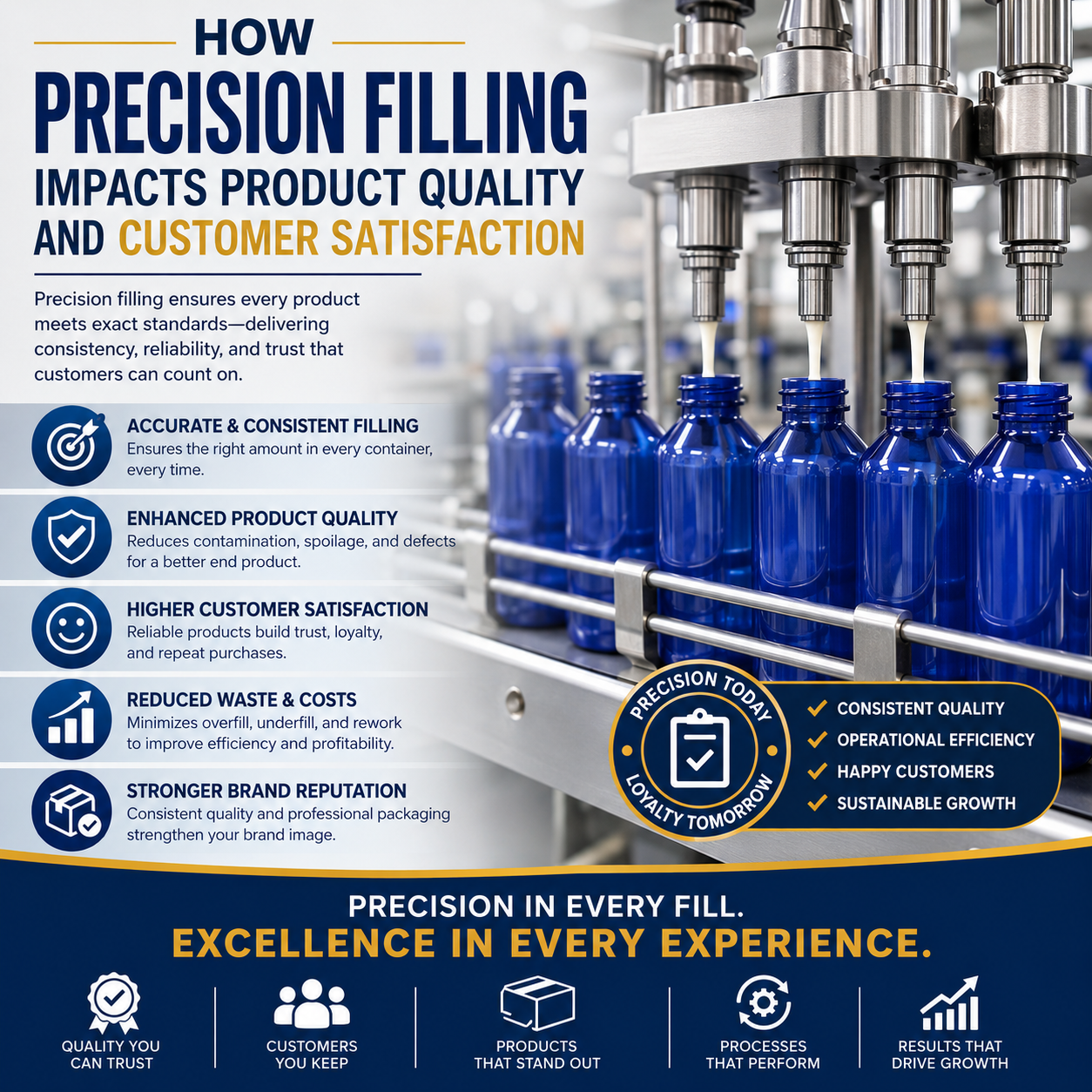
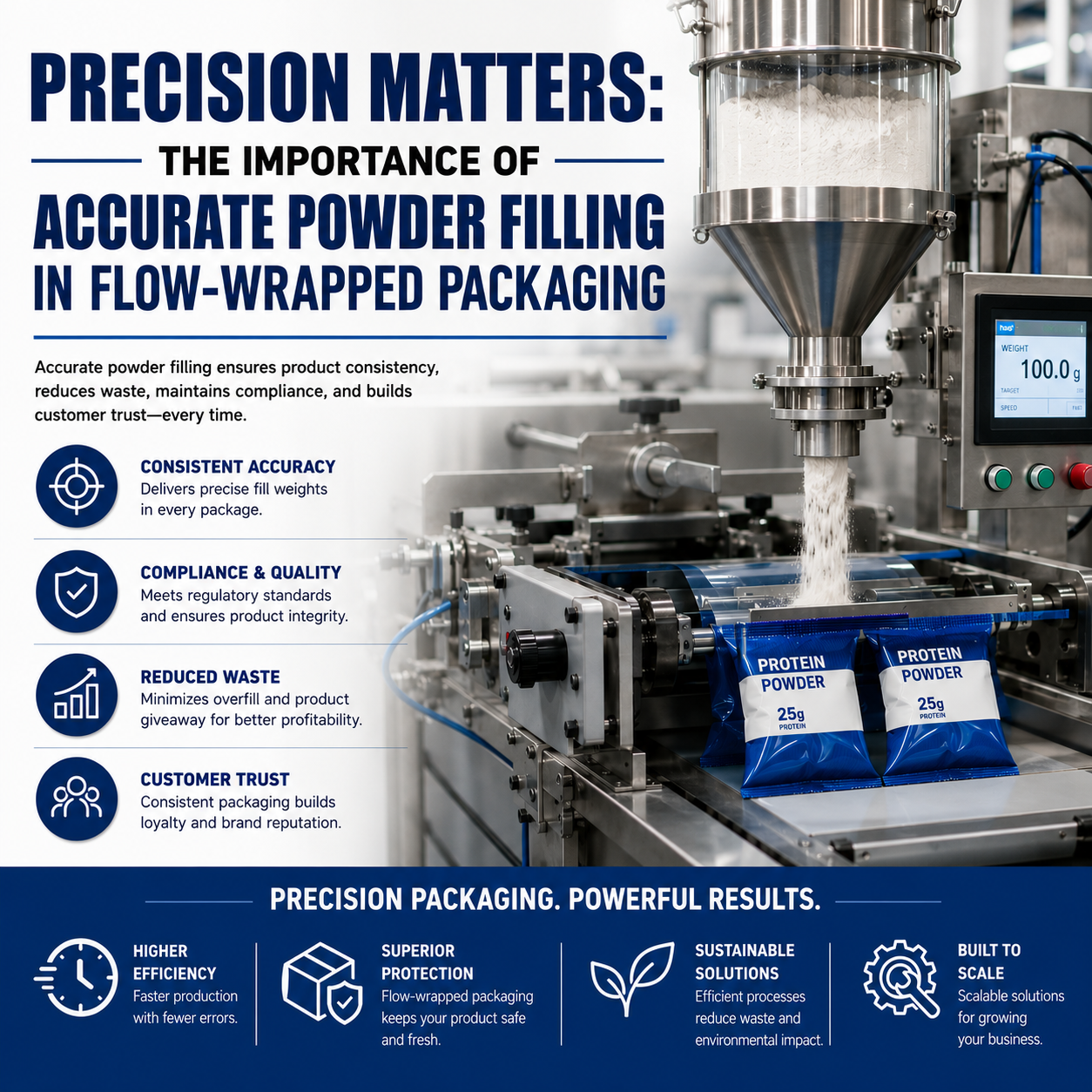
Whether you’re packaging protein powder, trail mix, rice, coffee, candy, spices, flour, or pet treats, your packaging line must be precise, cost-effective, and retail-ready.
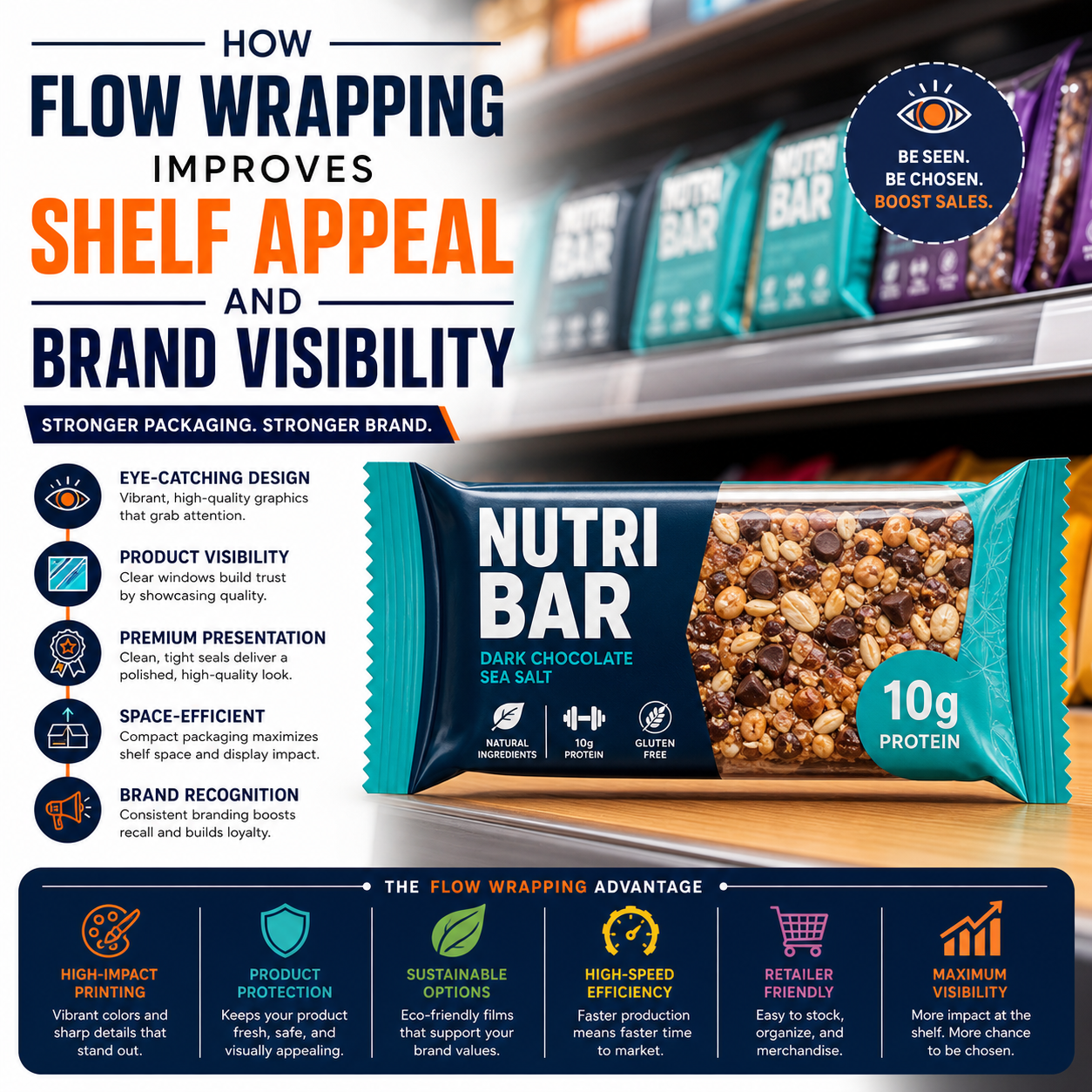
In a crowded retail landscape where attention spans are short and competition is fierce, packaging has become more than protection — it’s positioning.
In retail and distribution, labels do far more than display a logo or barcode. They carry compliance data, shipping information, ingredients, expiration dates, lot codes, and brand identity. A label is often the first physical touchpoint a retailer, distributor, or consumer has with your product.